
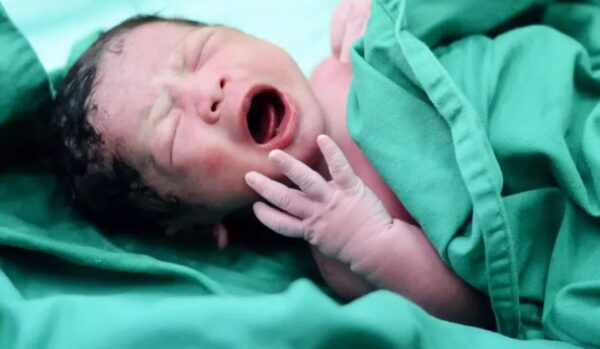
Why babies must cry at birth
- Clear fluid from the lungs: The pressure created when the baby cries helps push out any remaining amniotic fluid in the lungs.
- Open up the air sacs: The lungs need to inflate like a balloon for the first time. Crying helps open up the tiny air sacs (alveoli) so that oxygen can enter the bloodstream.
- Regulate heart rate and oxygen: The act of breathing and crying helps stabilise the baby's heart rate, blood circulation, and oxygen levels.
What it means if a baby doesn’t cry at birth
- They are having trouble breathing
- They have fluid remaining in their lungs
- They are in distress
- There may be neurological issues
Why some babies don’t cry
- C-section delivery: Babies born via Cesarean section may not experience the same pressure during delivery that helps clear fluid from the lungs, leading to delayed crying.
- Premature birth: Premature babies may have underdeveloped lungs and may need help to breathe and cry.
- Medication during labour: Certain pain relief medications given to the mother can affect the baby’s nervous system, leading to drowsiness or reduced responsiveness.
- Birth complications: A difficult or traumatic delivery can affect the baby’s ability to cry immediately.
- Congenital issues: Rarely, babies may be born with birth defects that affect their breathing or vocal cords.