
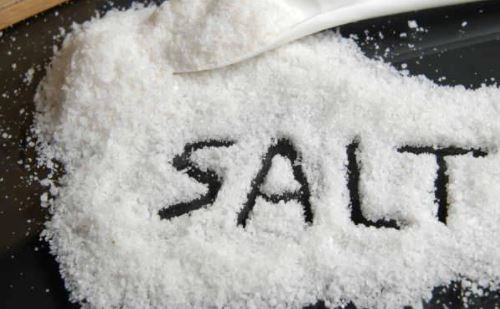

Salt is a bigger culprit. It has a detrimental effect on the body when its level of consumption exceeds. It triggers blood pressure, elevates the risk of cancer and can irreversibly damage the health.
A recent study published in the journal Gastric Cancer has shed light on the damaging effect of salt.
The study examined 471,144 United Kingdom Biobank individuals and studied the link between the frequency of salt addition to foods and the risk of developing stomach cancer. "While dietary salt intake has been linked with gastric cancer risk in Asian studies, findings from Western populations are sparse and limited to case—control studies. Our aim was to evaluate the frequency of adding salt to food at table in relation to gastric cancer risk among UK adults," the researchers have said.
Why should "adding salt to food" be changed?
For those already managing conditions like hypertension, limiting salt is even more essential. Adjusting habits around salt can be a simple yet powerful step toward better health outcomes, potentially lowering reliance on medication and improving overall well-being. Since small lifestyle changes can have significant impacts, replacing added salt with other flavoring methods could be a key move towards long-term health.